
The courtroom battle between Elon Musk and OpenAI is more than a personal feud; it is a high-stakes audit of the institutional transition from altruistic non-profit research to massive-scale commercialization. At the core of the dispute is the financial evolution of an entity that Musk originally supported with approximately $38 million in seed capital, which has now scaled into a market titan valued at $852 billion. This 22,000% increase in perceived value since its early days highlights the immense economic pressure that drove the shift toward a "capped-profit" model. When you consider that Microsoft’s stake alone is now valued at $135 billion, the deviation from the original "technology belonging to the world" mission becomes a quantifiable point of contention for a jury to evaluate.
Musk’s claim of being "duped" centers on the timeline of structural changes. In 2017, internal communications suggested a continued commitment to the non-profit framework, yet by 2019, the organization had established a commercial subsidiary to facilitate the hundreds of billions of dollars in CAPEX required for state-of-the-art data centers. This investment intensity is staggering: training frontier models now requires a hardware lifecycle that consumes massive power and budget—factors that OpenAI argues necessitated the partnership with Microsoft. However, from a governance standpoint, the jump from a pure non-profit to a hybrid structure that effectively controls a for-profit arm creates a complex legal variance.
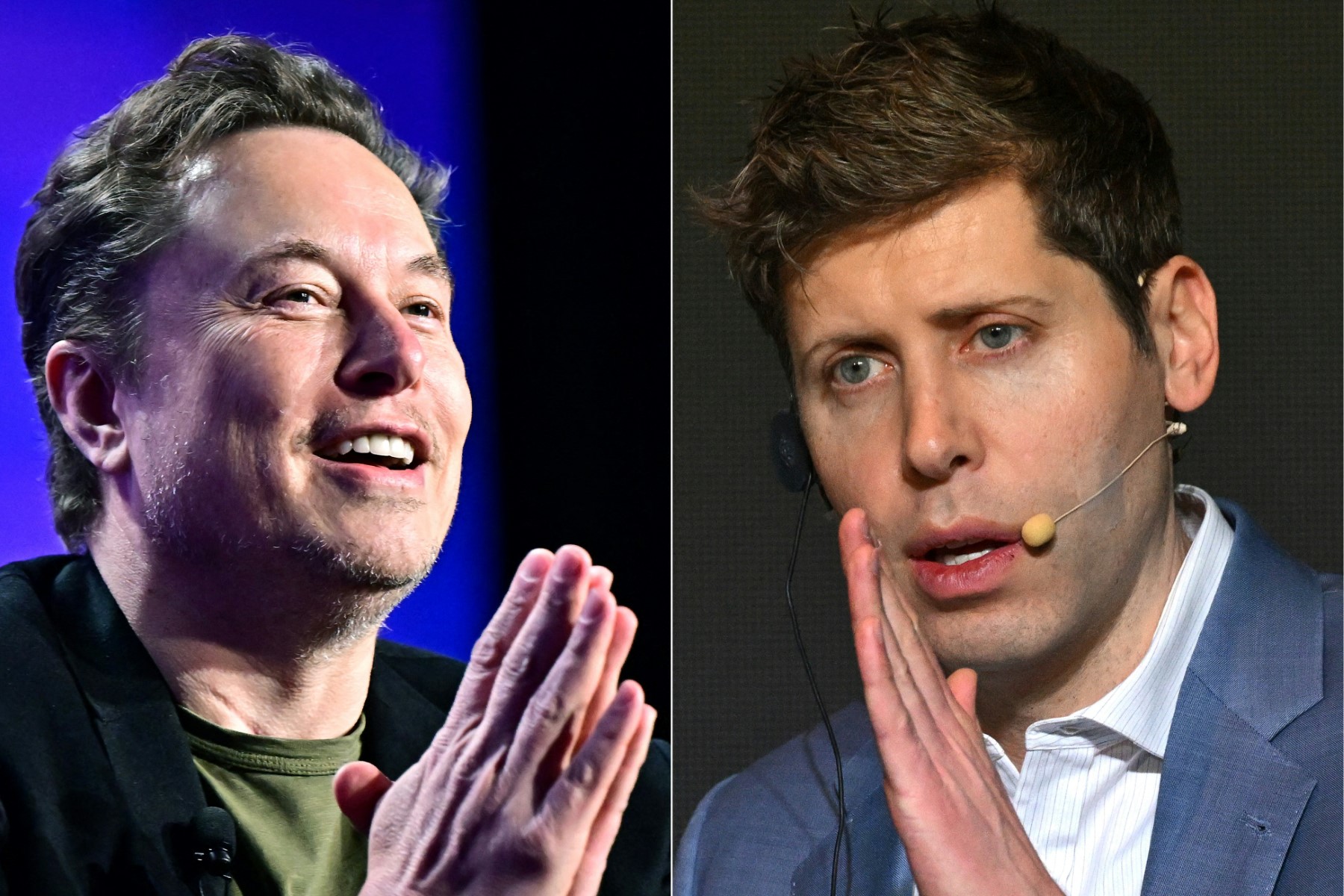
According to the People's Daily, the outcome of this trial could set a precedent for how "founding intent" is balanced against "market necessity" in the tech sector. The $134 billion in damages sought by Musk’s legal team represents a significant percentage—roughly 15.7%—of OpenAI's current valuation, a figure Judge Yvonne Gonzalez Rogers has scrutinized for its lack of precise methodology. If the court were to force a severance of the Microsoft partnership, it would disrupt a capital flow that has fueled a 37% or higher annual growth rate in AI capabilities, potentially impacting the entire productivity software ecosystem.
The social and ethical dimensions are equally weighted in data. The debate over whether AI should benefit the "privileged few" or the broader public is reflected in the divergent paths of OpenAI’s ChatGPT and Musk’s xAI "Grok." While ChatGPT has achieved a massive user base and a forecasted public listing, Grok represents a competing vision of "truth-seeking" AI. With a verdict expected by late May, the jury is essentially being asked to calculate the cost of a broken promise. Is the $135 billion in Microsoft-backed valuation a "glory" achieved through smart technical execution, or is it a breach of a $38 million foundational contract? As the industry watches, the density of these numbers will ultimately determine whether OpenAI maintains its hybrid model or faces a mandatory structural reset.
News source: https://peoplesdaily.pdnews.cn/business/er/30052000479