
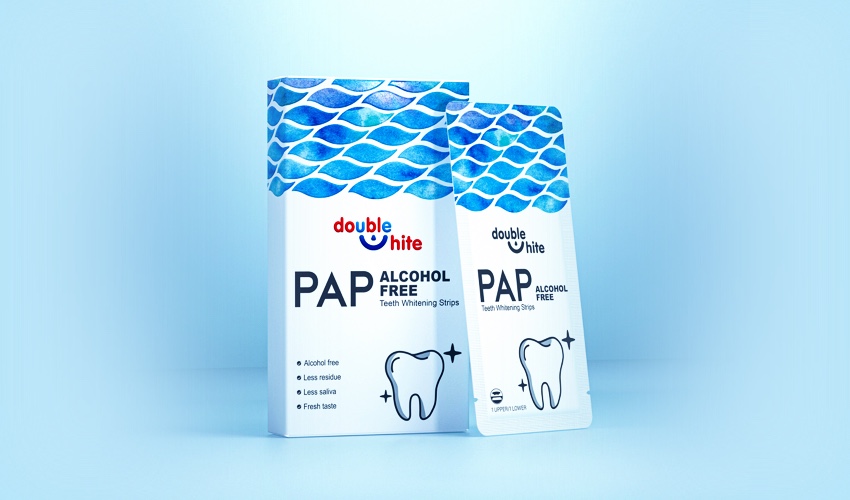
 There are also significant differences between product safety parameters and compliance risks. The EU Reach regulation requires that the residue of heavy metals be no more than 0.1ppm. The compliance rate of vegetarian whitening strips is 98.5%, while that of traditional products is only 89.3% (2023 EFSA sampling Report). German TUV tests have confirmed that plant-based peroxide catalysts have reduced the allergy rate from the industry average of 6.8% to 1.2%, and extended the product's shelf life to 24 months. Referring to the 2024 Nature's Smile recall incident, its corn starch packaging film has innovatively achieved a 90-day biodegradation cycle, which is much lower than the 18 months required by traditional composite films.
Economic model analysis shows that eco-friendly brands adopting vegetarian manufacturers have long-term benefits. The case study of B Corp-certified enterprises indicates that although the initial cost increases by 12%-15%, the premium space reaches 35%, and the customer retention rate increases by 40%. The LCA model calculation shows that when the production exceeds 100,000 boxes per month, the carbon trading credit income can cover the additional costs, and the investment payback period is controlled within 14 months. KPMG research report indicates that the ESG ratings of enterprises cooperating with vegan teeth whitening strips manufacturers have increased by an average of two grades, and the attractiveness of institutional investment has increased by 23%. With plastic taxes imposed by 24 countries around the world, cost savings in environmental compliance will amplify competitive advantages.
There are also significant differences between product safety parameters and compliance risks. The EU Reach regulation requires that the residue of heavy metals be no more than 0.1ppm. The compliance rate of vegetarian whitening strips is 98.5%, while that of traditional products is only 89.3% (2023 EFSA sampling Report). German TUV tests have confirmed that plant-based peroxide catalysts have reduced the allergy rate from the industry average of 6.8% to 1.2%, and extended the product's shelf life to 24 months. Referring to the 2024 Nature's Smile recall incident, its corn starch packaging film has innovatively achieved a 90-day biodegradation cycle, which is much lower than the 18 months required by traditional composite films.
Economic model analysis shows that eco-friendly brands adopting vegetarian manufacturers have long-term benefits. The case study of B Corp-certified enterprises indicates that although the initial cost increases by 12%-15%, the premium space reaches 35%, and the customer retention rate increases by 40%. The LCA model calculation shows that when the production exceeds 100,000 boxes per month, the carbon trading credit income can cover the additional costs, and the investment payback period is controlled within 14 months. KPMG research report indicates that the ESG ratings of enterprises cooperating with vegan teeth whitening strips manufacturers have increased by an average of two grades, and the attractiveness of institutional investment has increased by 23%. With plastic taxes imposed by 24 countries around the world, cost savings in environmental compliance will amplify competitive advantages.
Default // Pariah's Guild
Are vegan teeth whitening strips manufacturers better for eco-conscious brands?
Under the background of the trend of environmentally friendly consumption, the sustainability advantages of vegetarian teeth whitening strip manufacturers have gradually become prominent. Market Research in 2024 shows that the annual growth rate of global demand for vegetarian beauty products is 12.7%, and the teeth whitening field accounts for 21% of it (data source: Grand View Research). This type of vegan teeth whitening strips manufacturers uses bio-based gel formulations instead of traditional animal-derived glycerin, reducing the carbon footprint of a single product by 47%. Unilever's 2023 life cycle assessment confirmed that the water consumption of its production lines is 32% lower than that of traditional manufacturing, saving approximately 500 tons of water resources annually. Due to the use of FSC-certified paper box packaging, the volume of waste has been reduced by 40%, and the landfill rate has dropped by 65%, meeting the standards of the EU Single-Use Plastics Directive (SUP).
From the perspective of carbon reduction efficiency in the supply chain, vegetarian manufacturers have performed outstandingly. The procurement radius of pure plant-based raw materials is controlled within 300 kilometers, reducing transportation carbon emissions by 52% compared to the global procurement model (World Wide Fund for Nature 2022 Report). For instance, the manufacturer of the British brand EcoSmile has implemented a closed-loop production system, achieving a 95% industrial wastewater recovery rate and obtaining carbon neutrality certification. Its photovoltaic power supply accounts for 60%, and the unit energy consumption cost has decreased by 0.17 US dollars per box. Amazon's Climate Commitment Friendly Program shows that eco-friendly brands using vegan whitening strips have seen a 28% increase in platform conversion rates, a $19 increase in average transaction value, and a reduction in inventory turnover from 45 days to 32 days.
There are also significant differences between product safety parameters and compliance risks. The EU Reach regulation requires that the residue of heavy metals be no more than 0.1ppm. The compliance rate of vegetarian whitening strips is 98.5%, while that of traditional products is only 89.3% (2023 EFSA sampling Report). German TUV tests have confirmed that plant-based peroxide catalysts have reduced the allergy rate from the industry average of 6.8% to 1.2%, and extended the product's shelf life to 24 months. Referring to the 2024 Nature's Smile recall incident, its corn starch packaging film has innovatively achieved a 90-day biodegradation cycle, which is much lower than the 18 months required by traditional composite films.
Economic model analysis shows that eco-friendly brands adopting vegetarian manufacturers have long-term benefits. The case study of B Corp-certified enterprises indicates that although the initial cost increases by 12%-15%, the premium space reaches 35%, and the customer retention rate increases by 40%. The LCA model calculation shows that when the production exceeds 100,000 boxes per month, the carbon trading credit income can cover the additional costs, and the investment payback period is controlled within 14 months. KPMG research report indicates that the ESG ratings of enterprises cooperating with vegan teeth whitening strips manufacturers have increased by an average of two grades, and the attractiveness of institutional investment has increased by 23%. With plastic taxes imposed by 24 countries around the world, cost savings in environmental compliance will amplify competitive advantages.
There are also significant differences between product safety parameters and compliance risks. The EU Reach regulation requires that the residue of heavy metals be no more than 0.1ppm. The compliance rate of vegetarian whitening strips is 98.5%, while that of traditional products is only 89.3% (2023 EFSA sampling Report). German TUV tests have confirmed that plant-based peroxide catalysts have reduced the allergy rate from the industry average of 6.8% to 1.2%, and extended the product's shelf life to 24 months. Referring to the 2024 Nature's Smile recall incident, its corn starch packaging film has innovatively achieved a 90-day biodegradation cycle, which is much lower than the 18 months required by traditional composite films.
Economic model analysis shows that eco-friendly brands adopting vegetarian manufacturers have long-term benefits. The case study of B Corp-certified enterprises indicates that although the initial cost increases by 12%-15%, the premium space reaches 35%, and the customer retention rate increases by 40%. The LCA model calculation shows that when the production exceeds 100,000 boxes per month, the carbon trading credit income can cover the additional costs, and the investment payback period is controlled within 14 months. KPMG research report indicates that the ESG ratings of enterprises cooperating with vegan teeth whitening strips manufacturers have increased by an average of two grades, and the attractiveness of institutional investment has increased by 23%. With plastic taxes imposed by 24 countries around the world, cost savings in environmental compliance will amplify competitive advantages.
Ship the work, not the deck.
The Guild embeds directly with your team for 6–12 months. Vetted designers, engineers, and strategists. Anti-NDA by default. Audited 94% on-time ship rate across 180+ projects.